


AR Books Reshape Children’s Reading Experiences
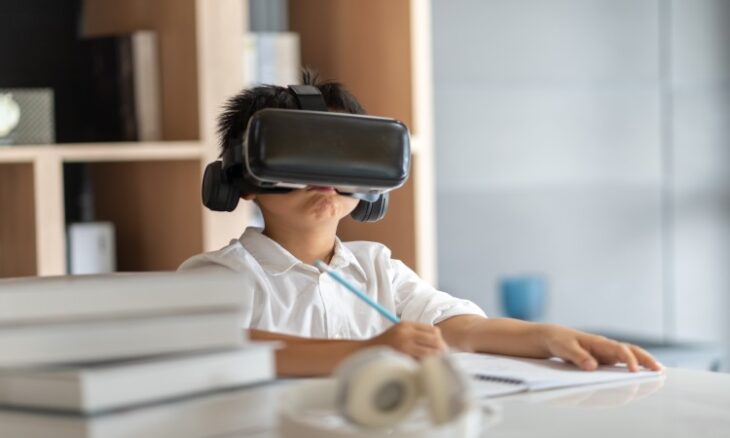
Augmented reality (AR) books are emerging as a new approach to children’s reading, combining traditional print with interactive digital elements. Titles such as Galaxy Adventure and Amazing Forest represent early examples of this shift, where static images on the page can be transformed into three-dimensional models. This allows young readers to interact with content in a deeper, more immersive way, moving beyond imagination alone to a multi-sensory experience that includes visual, auditory, and tactile interaction. The model is increasingly seen as a step towards changing how children access and process knowledge.
According to Doan Phuong Thoa, founder of SPACES, the effectiveness of AR books depends not on visual appeal alone but on how purposefully the technology is integrated into the learning process. She indicated that when AR is used only to create engaging three-dimensional effects, it may lead to short-lived curiosity. However, when designed as an educational tool, it can significantly alter the reading experience by stimulating deeper engagement with the content. This shift indicates a wider move from passive reading towards active engagement, where children do not simply absorb information but interact with it directly.
In spite of the opportunities, AR books also cause challenges. One key concern is that readers, particularly younger audiences, may focus more on visual elements and neglect the written content. Tung Hieu, a lecturer at the University of Social Sciences and Humanities, Ho Chi Minh City, has highlighted that technology should support rather than replace reading. He emphasised that content must remain central, even when technological enhancements are applied. In this view, AR features should clarify and reinforce the material on the page rather than distract from it.
The discussion also underlines the importance of sustaining the core structure of a traditional book. AR publications are expected to retain strong storytelling, clear language and a well-developed knowledge framework. Children still need to read, reflect, and connect ideas to fully understand what they encounter. Technology alone cannot duplicate this cognitive process, and excessive dependence on digital features risks weakening key skills such as concentration and critical thinking.
There are also concerns that overuse of technology could turn books into short-term entertainment products rather than tools for sustained learning. Observers note that constant stimulation may reduce a child’s ability to focus for longer periods, a key element of reading development. This has led to calls for a deliberate balance in the design and use of AR books, ensuring that technological elements enhance rather than undermine educational value.
From a publishing perspective, the rise of AR books signals a period of major transformation. The industry is no longer limited to writing and printing; it must now consider user experience, technological incorporation, and changing reading behaviours. This shift requires new skills and approaches, as publishers adapt to a landscape in which digital and physical formats increasingly overlap.
In this changing context, the role of families and schools is especially important. Guidance from parents and educators is seen as essential to helping children use AR books effectively, ensuring that engagement with technology remains purposeful. The wider aim is to preserve the fundamental value of reading, which goes beyond information acquisition to encourage reflection, focus, and a sense of peace.